Homestead Lamb Facts
How Many Lambs?
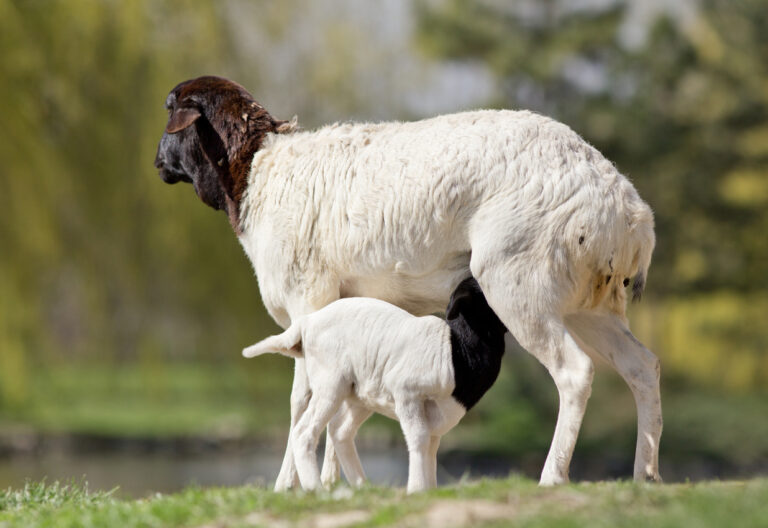
A homestead typically needs 1 to 4 lambs. Each lamb will yield roughly 35–57 lbs of take-home meat. A family of four eating lamb once a week would require about 2–3 lambs annually, depending on whether lamb is the primary protein source or a supplement to beef and chicken.
In a 16 ft X 16 ft Sheep Tractor, we typically run 5 to 6 sheep, and move the tractor once every day. This will vary based on how much your sheep eat and the quality of your pasture.
Key Lamb Meat Yield Factors
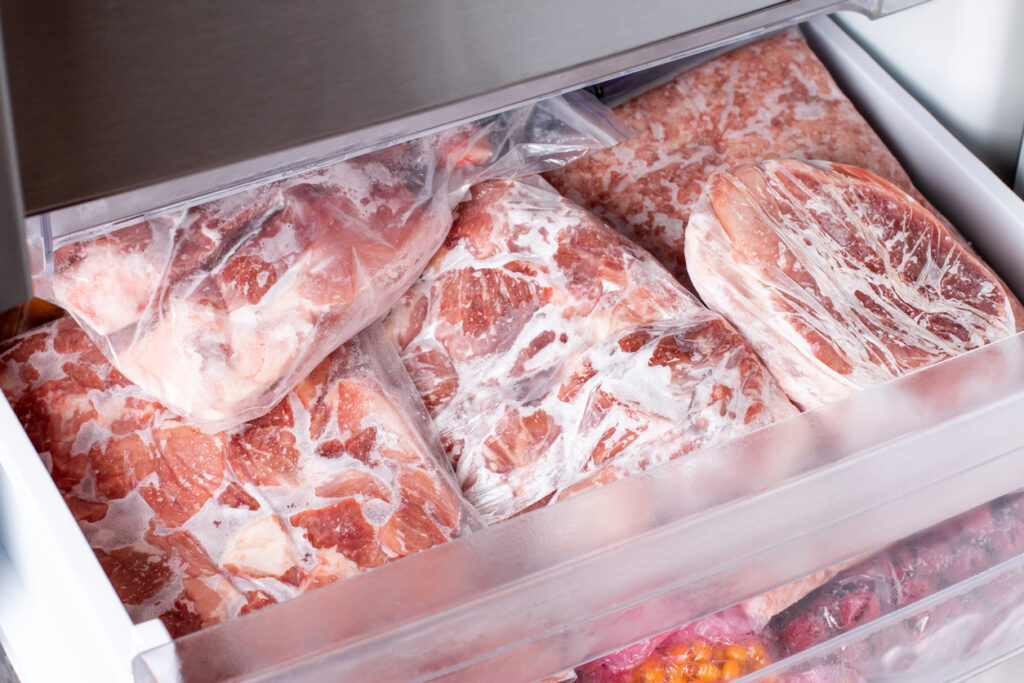
- Take-Home Meat: A 150 lb live lamb typically yields around 50–57 lbs of packaged meat.
- Common Yield: A standard, smaller homestead lamb often yields roughly 35-50 lbs of meat.
- Stocking Rates: Raising 1–4 lambs is common to fill a freezer.
Production Tips
- Time to Market: Lambs can reach butcher weight (approx. 80–100 lbs) in 4–7 months, allowing them to be harvested before winter, saving on hay costs.
- Yield Percentage: Lambs have a roughly 50–55% carcass yield, with 75% of that being actual take-home meat.
Grass Fed vs Grain Fed
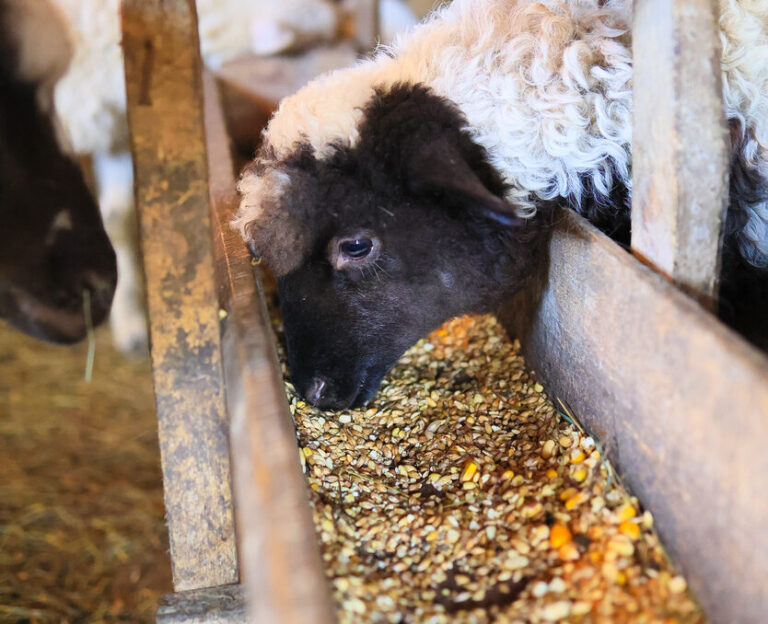
Grass-fed lamb is generally leaner, more nutrient-dense, and has a stronger, “earthy” flavor compared to grain-fed lamb. It offers higher levels of omega-3 fatty acids, CLA, and vitamins. Grain-fed lamb, often finished on soy/corn, grows faster, produces fattier, milder, and often more tender meat.
It can be beneficial to feed ewes grain before breeding and while they are producing milk to feed her baby lambs.
Key Differences:
- Taste & Texture: Grass-fed has a more robust, “pastoral” flavor and is leaner. Grain-fed is milder, often preferred by those sensitive to “gamey” flavors, with higher fat content.
- Nutrition: Grass-fed is considered healthier, containing more omega-3 fatty acids, conjugated linoleic acid (CLA), and beta-carotene.
- Health Benefits: Due to superior fat composition, grass-fed is often associated with lower inflammation and better heart health.
- Growth & Environment: Grass-fed lambs are often raised on pasture, resulting in a lower environmental impact. Grain-fed lambs are often finished in feedlots, reaching market weight faster (12-13 months vs. 18-24 months).
- Cost: Grass-fed is generally more expensive due to the longer, more natural raising process.
Ultimately, the choice depends on whether you prefer a leaner, intensely flavored meat with maximum health benefits (grass-fed) or a milder, more conventional taste and texture (grain-fed).
Wool Sheep Breeds vs. Hair Sheep Breeds
Wool sheep breeds produce fleeces used for textiles and require annual shearing to prevent overheating. Hair sheep breeds naturally shed their coats, require no shearing, and are primarily raised for meat. Hair sheep are generally more heat-tolerant and require less intensive labor. Hair sheep produce a much milder flavored meat.
Key Differences
- Wool Breeds: Produce fleeces that grow continuously. They must be sheared at least once a year; otherwise, they risk overheating, skin infections, and flystrike.
- Hair Breeds: Have a higher ratio of hair fibers to wool fibers. They grow a short winter coat and naturally shed it in the spring, eliminating the need for professional shearing or tail docking.
- Wool Breeds: Thrive in cooler climates, as their dense coats provide excellent cold insulation. However, they are more susceptible to internal parasites and heat stress.
- Hair Breeds: Generally better adapted to hot, humid environments. Many hair breeds—like the Katahdin or Dorper—show higher natural resistance to internal parasites.
- Wool Breeds: Raised primarily for wool, though dual-purpose breeds produce acceptable meat. The presence of lanolin in the wool can give the meat a slightly more “gamey” flavor.
- Hair Breeds: Raised specifically for meat. Because they do not produce lanolin, the meat is very lean and typically has a milder flavor profile.
- Hair Breeds: Known for excellent maternal instincts and high fertility rates. They are often less seasonal and reach maturity faster, allowing for accelerated lambing programs.
Which One Should You Choose?
Selecting the right sheep depends on your goals:
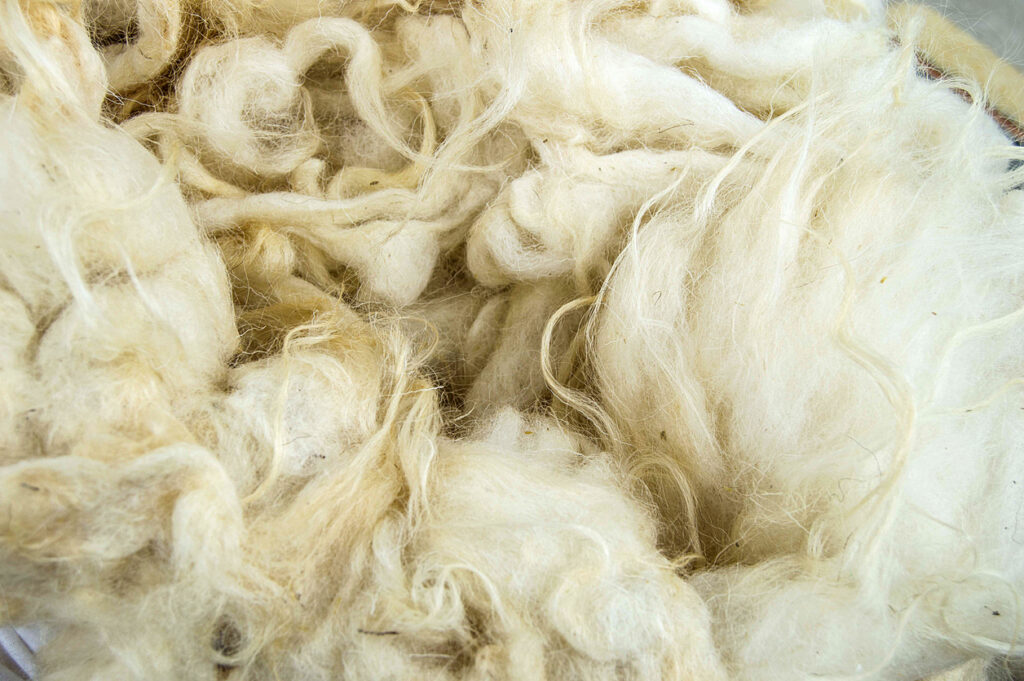
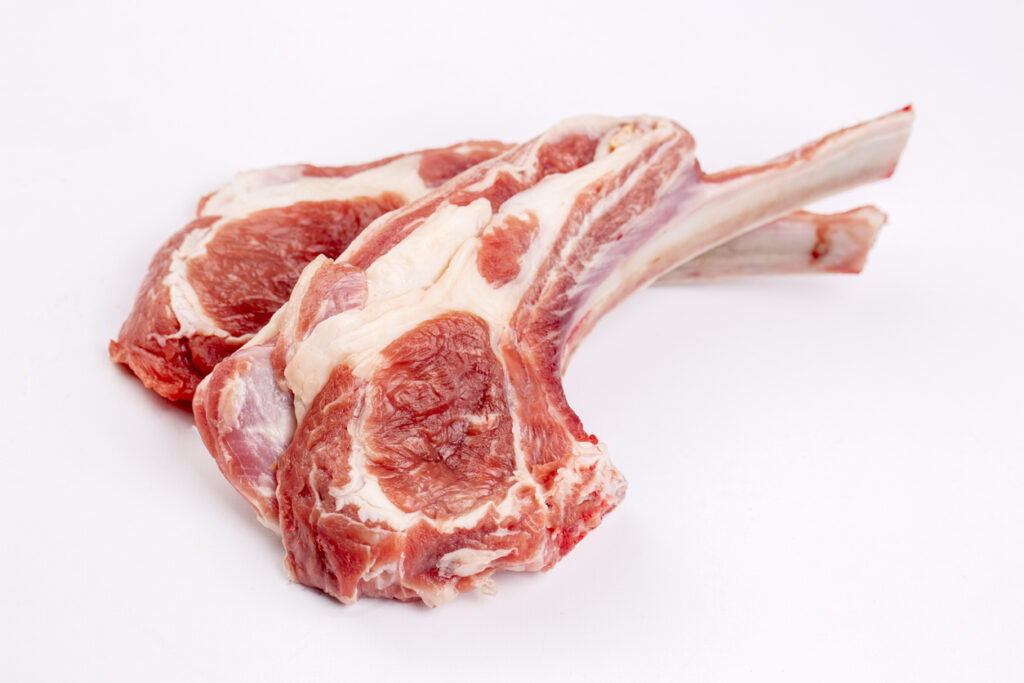
Choose Wool Sheep if you are interested in spinning and producing fleece for fiber arts, or if you live in a consistently cold climate.
Choose Hair Sheep if you are running a low-input farm, primarily want meat production, or live in a hot/humid region where shearing would be an ongoing logistical challenge.